Drain Field Installation in San Antonio, TX
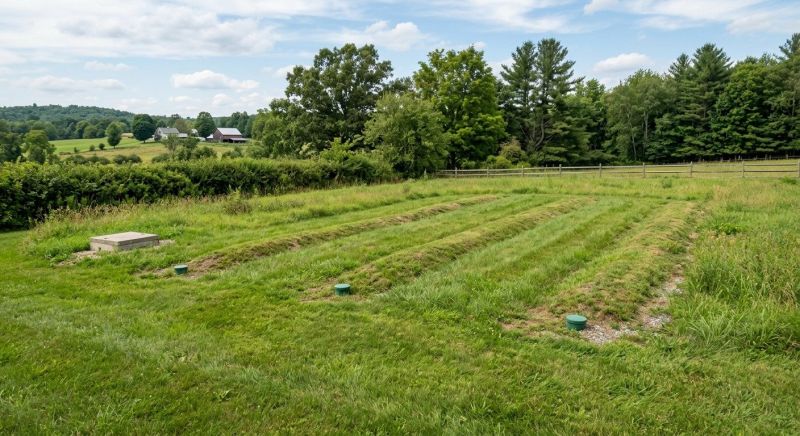
Drain field installation services involve setting up underground systems that safely manage and disperse wastewater from a septic tank into the surrounding soil. This process is essential for property owners who rely on septic systems, particularly in areas where municipal sewer connections are unavailable. Projects typically include designing and installing drain fields for new septic systems, replacing or upgrading existing systems, or expanding current setups to accommodate property growth. Homeowners should understand the importance of proper site assessment, soil conditions, and system sizing to ensure effective wastewater treatment and prevent potential issues such as backups or environmental contamination.
Before requesting drain field installation, property owners often want to know about site suitability, including soil permeability and space requirements. It’s also helpful to consider local regulations and permitting processes that may impact the project. Understanding the maintenance needs and lifespan of the system can assist in planning for long-term performance. Clear communication about the scope of work, including the installation process and any potential disruptions, can help ensure the project aligns with the property's needs and complies with local standards.
Many property owners in San Antonio, TX look into Drain Field Installation for repairs, replacements, upgrades, and appearance-related improvements.
Drain Field Design And Planning
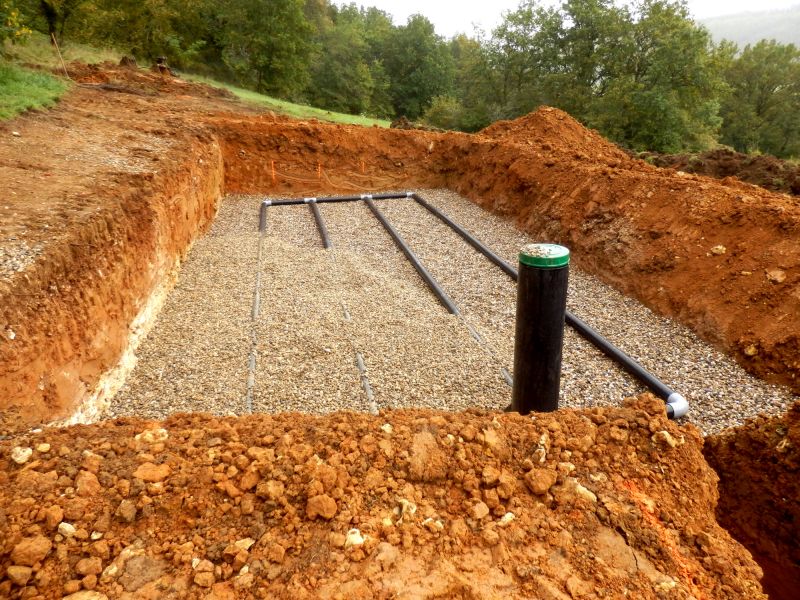
Proper layout ensures effective wastewater distribution across your property.
Installation And Site Preparation
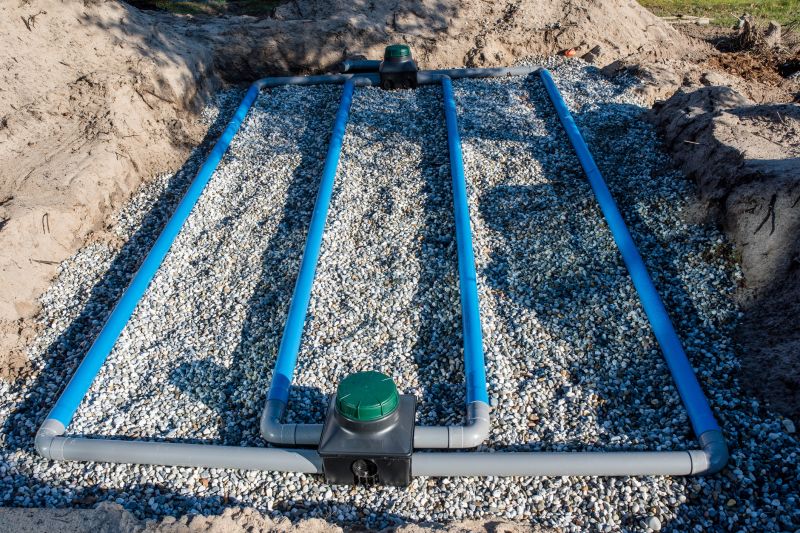
Preparing the site properly is essential for a reliable and long-lasting drain field system.

Maintenance And System Inspection
Regular checks help prevent system failures and extend the lifespan of your drain field.
Drain Field Installation in San Antonio, TX
Drain field installation services involve setting up underground systems that safely manage and disperse wastewater from a septic tank into the surrounding soil. This process is essential for property owners who rely on septic systems, particularly in areas where municipal sewer connections are unavailable. Projects typically include designing and installing drain fields for new septic systems, replacing or upgrading existing systems, or expanding current setups to accommodate property growth. Homeowners should understand the importance of proper site assessment, soil conditions, and system sizing to ensure effective wastewater treatment and prevent potential issues such as backups or environmental contamination.
Before requesting drain field installation, property owners often want to know about site suitability, including soil permeability and space requirements. It’s also helpful to consider local regulations and permitting processes that may impact the project. Understanding the maintenance needs and lifespan of the system can assist in planning for long-term performance. Clear communication about the scope of work, including the installation process and any potential disruptions, can help ensure the project aligns with the property's needs and complies with local standards.
Many property owners in San Antonio, TX look into Drain Field Installation for repairs, replacements, upgrades, and appearance-related improvements.
Common Drain Field Installation Jobs
Drain Field Installation - Proper installation ensures effective wastewater dispersal for residential properties.
Septic Drain Field - Designed to treat and drain effluent from septic systems safely into the ground.
Leach Field Setup - Involves excavating and positioning pipes to promote soil absorption.
Absorption Field - Critical for preventing surface pooling and groundwater contamination.
Replacement Services - Replacing aging or failing drain fields to restore system functionality.
Custom Drain Field Design - Tailored to property size and soil conditions for optimal performance.


Drain Field Installation Questions
What is a drain field? A drain field is an underground system that disperses treated wastewater from a septic tank into the soil, helping to prevent backups and odors.
What types of properties need a drain field? Properties with septic systems, especially those not connected to municipal sewer lines, typically require a drain field for wastewater management.
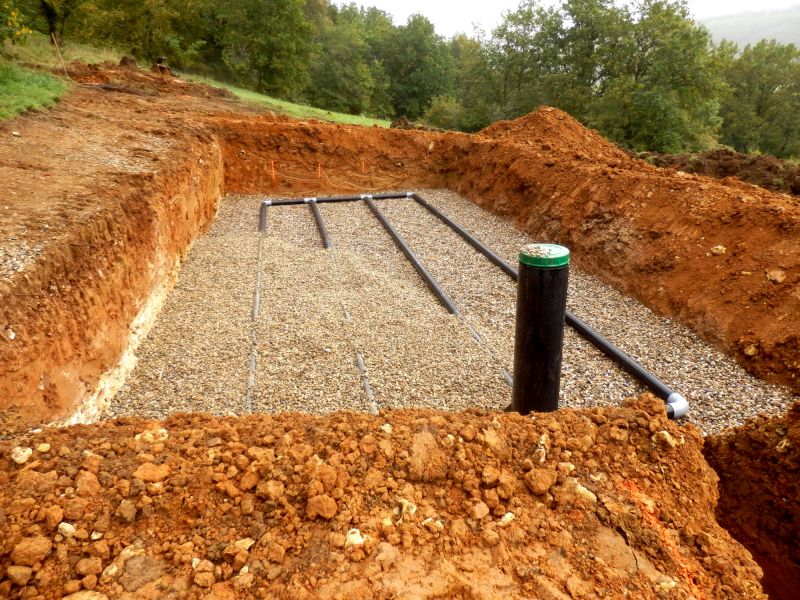
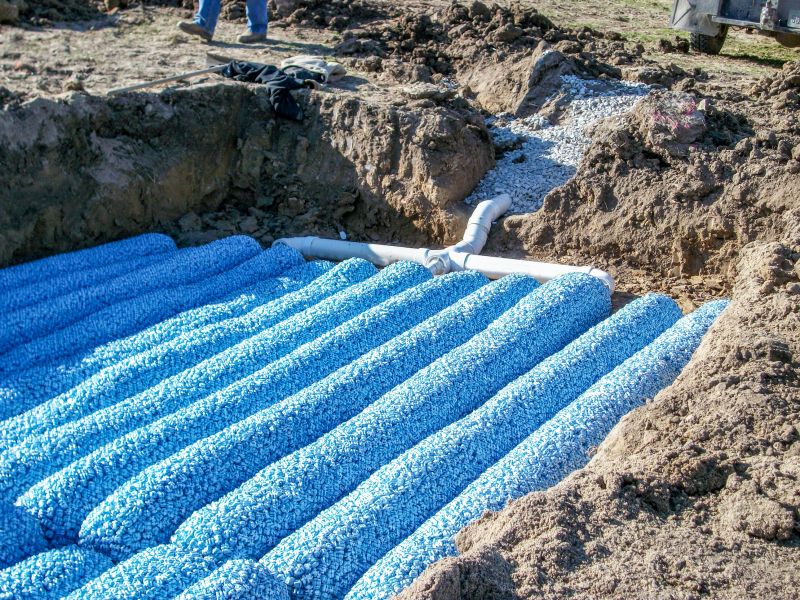
How is a drain field installed? Installation involves excavating trenches, laying perforated pipes, and covering them with gravel and soil to allow proper wastewater absorption.
What signs indicate a drain field may need replacement? Indicators include persistent odors, standing water or soggy spots, and slow-draining sinks or toilets in the property area.
Request Drain Field Installation in San Antonio, TX
Use the quote form on this page to share the basics of your project and request more information for the type of work you need.